Soundproofing a Singapore apartment typically occurs during renovation, a process that most HDB flat owners undertake at least once during ownership. The acoustic outcomes depend heavily on identifying the dominant noise sources, selecting appropriate materials, and understanding the structural constraints of the building type. This article covers the principal methods documented by acoustic specialists and renovation professionals working in Singapore.
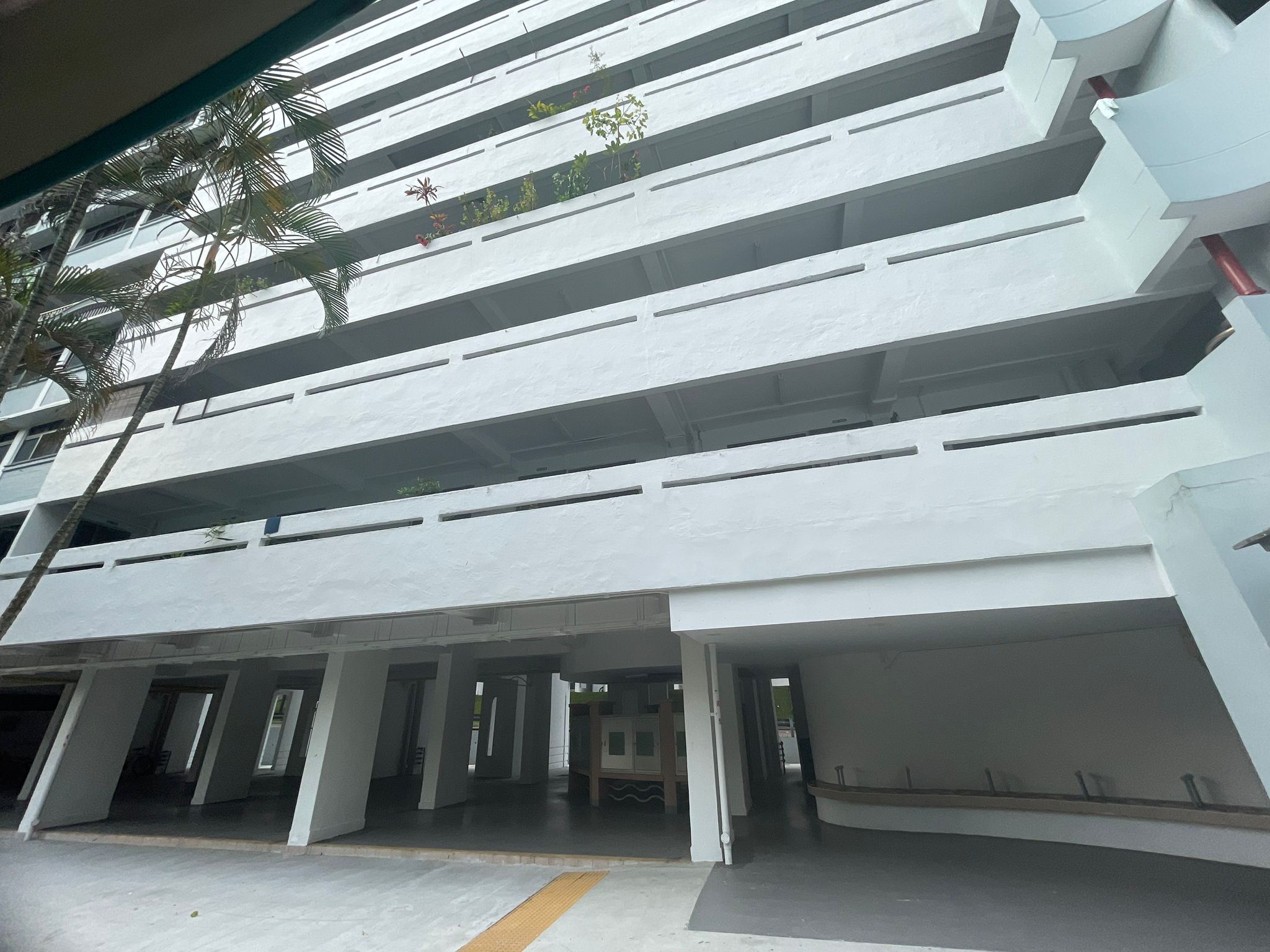
Assessment Before Treatment
Effective soundproofing begins with identifying the type and path of the problem noise. Impact noise, which travels through the building structure itself, requires different treatment than airborne noise, which propagates through air gaps and lightweight partitions. Using a basic sound level meter to measure ambient noise at different times of day and in different rooms provides a baseline for evaluating the effectiveness of any intervention.
Common noise sources in Singapore apartments include upper-floor footsteps and furniture dragging (impact noise), neighbour conversations and music (airborne noise), traffic from nearby roads and expressways (external airborne noise), and mechanical systems such as air-conditioning condensers and water pumps (structural vibration).
Wall Treatments
Mass Loaded Vinyl (MLV)
Mass loaded vinyl is a dense, flexible sheet material designed to block airborne sound transmission. Applied directly to the face of an existing wall, MLV adds mass without significantly increasing wall thickness. It is particularly effective against mid-frequency noise such as speech and television audio. For maximum performance, all seams should be overlapped and sealed with acoustic caulk to prevent sound flanking.
Acoustic Panels
Fabric-wrapped acoustic panels contain mineral wool or glass fibre insulation and are mounted on wall surfaces to absorb reflected sound. While they primarily improve the acoustic quality within the treated room rather than blocking noise from adjacent spaces, they reduce reverberation and can be combined with mass-based treatments for a dual benefit. In Singapore, these panels are available from local acoustic specialists at prices starting from approximately SGD 80 per square metre installed.
Resilient Channel Systems
For more comprehensive wall treatment, resilient channels can be installed between the existing wall surface and a new layer of acoustic drywall. The metal channel decouples the drywall from the structural wall, interrupting the vibration path. This approach is more invasive and requires professional installation but offers measurable STC (Sound Transmission Class) improvements, typically adding 5 to 10 STC points to the existing wall rating.
Window Upgrades
Double-Glazed Windows
Replacing single-pane windows with double-glazed units is one of the most effective acoustic interventions for external noise. The air gap between the two glass panes acts as a buffer, reducing noise transmission by up to 70 percent according to renovation industry estimates. The glass thickness, gap width, and quality of the frame seal all affect performance. Laminated glass, which includes a PVB interlayer, provides additional acoustic damping compared to standard float glass.
Secondary Glazing
Where full window replacement is not practical or permitted, secondary glazing adds an additional glass panel inside the existing window frame. This creates a wider air gap than double glazing and can be removed if needed. It is particularly relevant in HDB flats where external facade modifications may require HDB approval.
Weatherstripping and Sealing
Before investing in new glazing, checking and replacing the seals around existing window frames can yield measurable improvement. Acoustic sealant tape and compression weatherstripping, available from hardware stores at SGD 3.69 to 10 per metre, close air gaps that allow sound flanking around the window perimeter.
Floor and Ceiling Treatments
Acoustic Underlays
Acoustic underlay materials, installed between the subfloor and the finished floor surface, attenuate impact noise before it enters the structural slab. Common materials include closed-cell foam, rubber crumb, and cork composites. The underlay is typically 3mm to 10mm thick and must be continuous across the entire floor area with no gaps at edges or penetrations.
Floating Floor Systems
A floating floor consists of a rigid surface layer resting on a resilient underlay, mechanically isolated from the surrounding walls and the subfloor. The surface layer, usually plywood or fibre cement board, distributes load without transmitting vibration into the structure. This approach is documented as one of the more effective impact noise treatments available through renovation, though it reduces the net room height by the thickness of the assembly.
Drop Ceilings with Acoustic Tiles
Installing a suspended ceiling framework with acoustic tiles creates a secondary barrier against noise from the unit above. The air gap between the existing ceiling and the new suspended surface provides additional acoustic insulation. Polyurethane foam insulation placed in this cavity can reduce sound penetration by up to 17 decibels. The trade-off is a reduction in apparent ceiling height, which may be significant in older HDB units with lower floor-to-ceiling dimensions.
Door Treatments
Hollow-core doors, standard in many Singapore apartments, offer minimal acoustic resistance. Replacing them with solid-core doors provides substantially better sound blocking. A solid timber door weighing 25 to 30 kg will significantly outperform a lightweight hollow door on the same frame. Automatic door bottom seals, which deploy when the door closes, prevent sound from passing through the gap beneath.
Budget Considerations
Soundproofing costs in Singapore vary widely depending on the scope and specification. Basic treatments such as weatherstripping and heavy curtains can be implemented for under SGD 500. Mid-range interventions including MLV wall treatment and solid-core doors typically fall between SGD 2,000 and 8,000. Comprehensive renovations incorporating double-glazed windows, floating floors, and suspended ceilings may exceed SGD 15,000 depending on the flat size and material selections.