SG Acoustic Digest
Local Information Archive — Singapore

Noise Reduction & Acoustic Design in Dense Urban Living

Covering developments in soundproofing, acoustic engineering, and noise mitigation across Singapore’s high-density residential landscape, from HDB estates to modern condominium developments.

69.4 dB
Average outdoor noise in Singapore
1M+
HDB flats across the island
73.1 dB
Peak level in Serangoon

Featured Articles

In-depth reporting on acoustic challenges, building material developments, and noise control approaches observed across Singapore.

HDB flats in Singapore showing high-density residential blocks
HDB & Urban Noise

Noise Complaints in HDB Estates: Patterns, Causes, and Structural Factors

An examination of inter-floor noise transmission in public housing, including impact noise from footsteps and the role of reinforced concrete in sound conduction between units.

Continue reading →
Singapore HDB residential blocks with modern facade design
Acoustic Engineering

Acoustic Design Approaches for Tropical High-Rise Environments

A look at how acoustic engineering intersects with tropical building requirements, including the NUS-developed Acoustic Friendly Ventilation Window and facade noise deflection.

Continue reading →
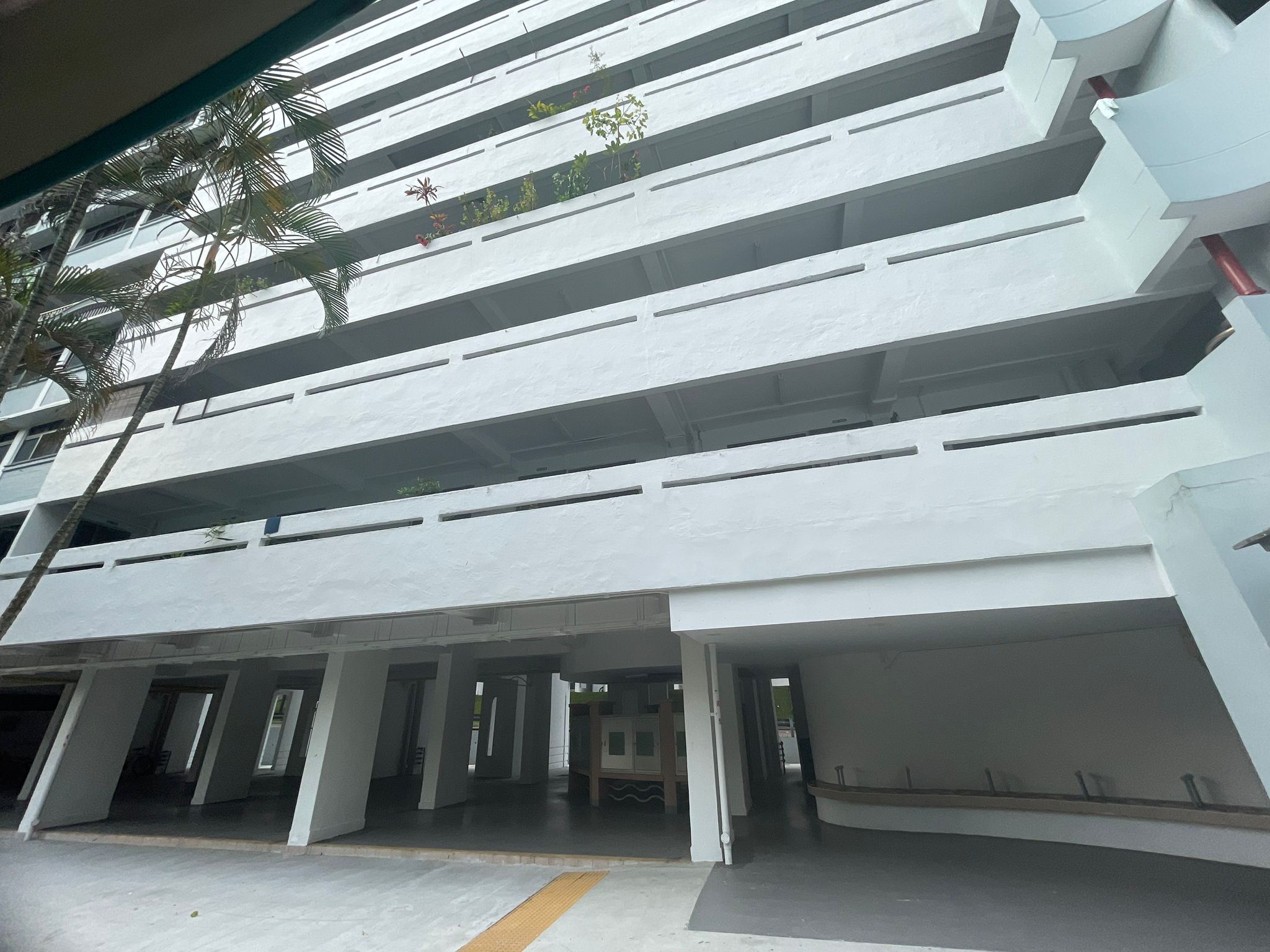
Void deck of an HDB block in Singapore
Soundproofing

Practical Soundproofing Methods for Singapore Apartments

Covering renovation-accessible acoustic treatments including mass loaded vinyl, double-glazed windows, acoustic foam panels, and floating floor assemblies in typical flat layouts.

Continue reading →
Singapore skyline showing urban density

Why Acoustic Quality Matters in Singapore

Singapore ranks among the top 10 noisiest cities globally, with average outdoor sound levels of 69.4 decibels. The World Health Organization considers sustained exposure above 70 dB as potentially harmful to hearing. Residential areas adjacent to expressways, MRT corridors, and construction zones face ongoing acoustic pressure.

  • Serangoon records peak ambient noise at 73.1 dB, with Orchard and Outram at 72.8 dB each
  • High-rise architecture creates reflection canyons that amplify traffic and construction sound
  • Open-window living, common in the tropics, increases indoor exposure to external noise sources
  • Reinforced concrete transmits impact noise between floors efficiently in apartment blocks

Noise in Numbers

Selected data points from public reports and research relevant to acoustic conditions in Singapore.

150mm

Concrete Floor Slabs

Standard bare concrete floor slab thickness in HDB flats since 1995, later increased with thicker slabs in post-2023 BTO projects to reduce impact transmission.

100mm

RC Partition Walls

Reinforced concrete walls between HDB units, implemented since the mid-1980s, form the primary inter-unit sound barrier in public housing.

26 dB

AFVW Noise Reduction

The NUS-developed Acoustic Friendly Ventilation Window reduces outdoor noise by 26 decibels while achieving four times better ventilation than conventional open windows.

Building Standards and Noise Governance

Singapore currently has no single local industry standard dedicated solely to intra-building soundproofing in residential developments. Noise control is primarily governed by the National Environment Agency (NEA), which sets boundary noise limits for mechanical ventilation and air-conditioning systems ranging from 50 to 70 dB depending on premise type and time of day.

HDB has adopted a holistic acoustic design approach including Noise Impact Assessments for flats near arterial roads and MRT tracks, facade overhangs to deflect land transport noise, and strategic block orientation away from dominant noise sources. Multi-storey car parks are positioned as buffers between traffic arteries and residential blocks.

More information on acoustic regulations in Singapore is available through the National Environment Agency and the Building and Construction Authority.

HDB flat in Singapore